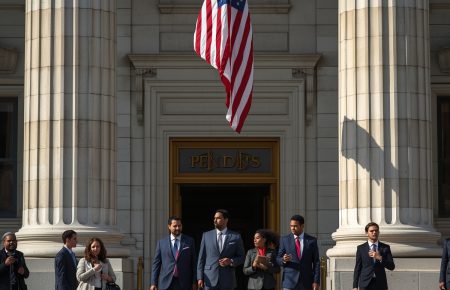


As Canada gears up to co-host the FIFA World Cup 2026 alongside the United States and Mexico, the government has rolled out a smart initiative to make things easier for international talent. The FIFA 2026 work authorization exemption is designed to welcome essential personnel without the usual red tape of work permits. This temporary policy recognizes the massive scale of the event, from the FIFA Congress to the main tournament, and aims to keep everything running smoothly. If you’re a foreign national planning to contribute, this guide breaks down what you need to know in simple terms.
The Reasoning Behind the FIFA 2026 Work Authorization Exemption
Canada expects a wave of global experts to help pull off these high-profile events, and the FIFA work authorization exemption is all about efficiency. Drawing from official guidelines, the policy prepares for roles in areas like event management, media production, tech support, security, hospitality, and community outreach. By skipping the formal work permit process for qualified individuals, Immigration, Refugees and Citizenship Canada (IRCC) is making entry faster. This not only boosts tourism and the economy but also puts Canada in the global spotlight. For more on how Canada handles work permits in general, check out the Government of Canada’s official work permit page.
Eligibility Criteria for the FIFA 2026 Work Authorization Exemption
Not everyone gets a free pass the FIFA 2026 work authorization exemption has strict rules to ensure only the right people qualify. Based on IRCC’s details, you’ll need to tick every box:
1. Specific Travel Window
Your entry and exit from Canada must fall between December 1, 2025, and July 31, 2026. If you’re applying for a temporary resident visa (TRV), you can request access during this period too.
2. FIFA’s Official Invitation Letter
You must have a formal letter from FIFA verifying your status. This could mean you’re an employee of FIFA or its partners, you have a direct contract for services or goods with them, or you’re a subcontractor through an approved affiliate. Importantly, the letter has to state that your work directly supports an official FIFA event.
3. Inclusion on the FIFA Microsite
Your name needs to show up on FIFA’s dedicated microsite as someone who’s been officially invited.
If all these align, you’re in the clear for the FIFA 2026 work authorization exemption. It’s a targeted approach to support the World Cup without opening the doors too wide.
Which Regulations Does the FIFA 2026 Work Authorization Exemption Waive?
At its core, the FIFA,s 2026 work authorization exemption lets eligible foreign nationals work in Canada temporarily without a standard work permit. IRCC is specifically bypassing two rules: one that bans unauthorized work (Regulation 183(1)(b)) and another that mandates a work permit for foreign workers (Regulation 196). Remember, this only applies to FIFA-approved tasks—nothing else sneaks in under this umbrella.
Duration and Limits of the FIFA 2026 Work Authorization Exemption
This isn’t a permanent change; the FIFA work authorization exemption runs until July 31, 2026, or whenever the policy gets revoked—whichever hits first. It kicks in for applications starting November 14, 2025, and there’s no promise of extensions. For a deeper dive into how these temporary measures work, visit the Government of Canada’s page on public policies.
Standard Entry Rules That Still Apply
Qualifying for the FIFA work authorization exemption doesn’t mean you skip all checks. You’ll still need to pass Canada’s usual admissibility hurdles, such as medical exams, criminal background reviews, security clearances, and valid documents like a passport or electronic travel authorization (eTA) if required. The policy won’t override any other reasons you might be ineligible to enter.
Why the FIFA Work Authorization Exemption Benefits Everyone Involved
This setup is a win for contractors recognized by FIFA, production crews, event planners, tech specialists, vendors, and global partners. It cuts down on bureaucracy, gets teams on the ground quicker, and keeps everything compliant for short-term gigs tied to the World Cup. If you’re a foreign professional, pack these essentials: your FIFA invite letter, proof of your event-related duties, confirmation from the microsite, and all travel paperwork. Employers and groups organizing these operations will find it easier to mobilize without delays.
Wrapping Up: The Impact of the FIFA 2026 Work Authorization Exemption
In essence, Canada’s approach with the FIFA work authorization exemption is a clever way to host a seamless World Cup while keeping borders secure. It streamlines access for key players but holds firm on safety and checks. If your team or business is part of the FIFA action and you need help with eligibility, paperwork, or things like TRVs and eTAs, reach out to experts like the NPZ Law Group for tailored immigration advice.
FAQs on the FIFA Work Authorization Exemption
- Is the FIFA 2026 work authorization exemption open to any FIFA event worker?
Nope—only those with a FIFA invitation letter, microsite listing, and meeting all IRCC criteria qualify. - Do I need a TRV or eTA even with the exemption?
Absolutely. It waives the work permit but not basic entry docs. - What happens if I want to stay past July 31, 2026?
You can’t under this policy—exit by then or secure another status. - Can my family work under this exemption too?
No, it’s just for the invited person. Family needs separate approvals. - What if my job shifts away from FIFA tasks after arriving?
You might need a full work permit if it’s no longer event-related.